LED Applications in Container Farming
Engineering-Driven Controlled Environment Agriculture
Container farming, also known as containerised agriculture or vertical farming, represents a highly advanced application of LED lighting systems integrated with smart environmental control technologies. By transforming repurposed shipping containers into fully controlled growing environments, this approach enables high-density crop production independent of climate, geography, or seasonal constraints.
At the core of this system is the integration of customised LED artificial lighting with hydroponic or aeroponic cultivation methods. Unlike traditional agriculture, crops are grown without soil—either in nutrient-rich water (hydroponics) or through atomised nutrient mist delivered directly to plant roots (aeroponics). This significantly reduces land use while improving water efficiency, with consumption often reduced by more than 90% compared to conventional farming.
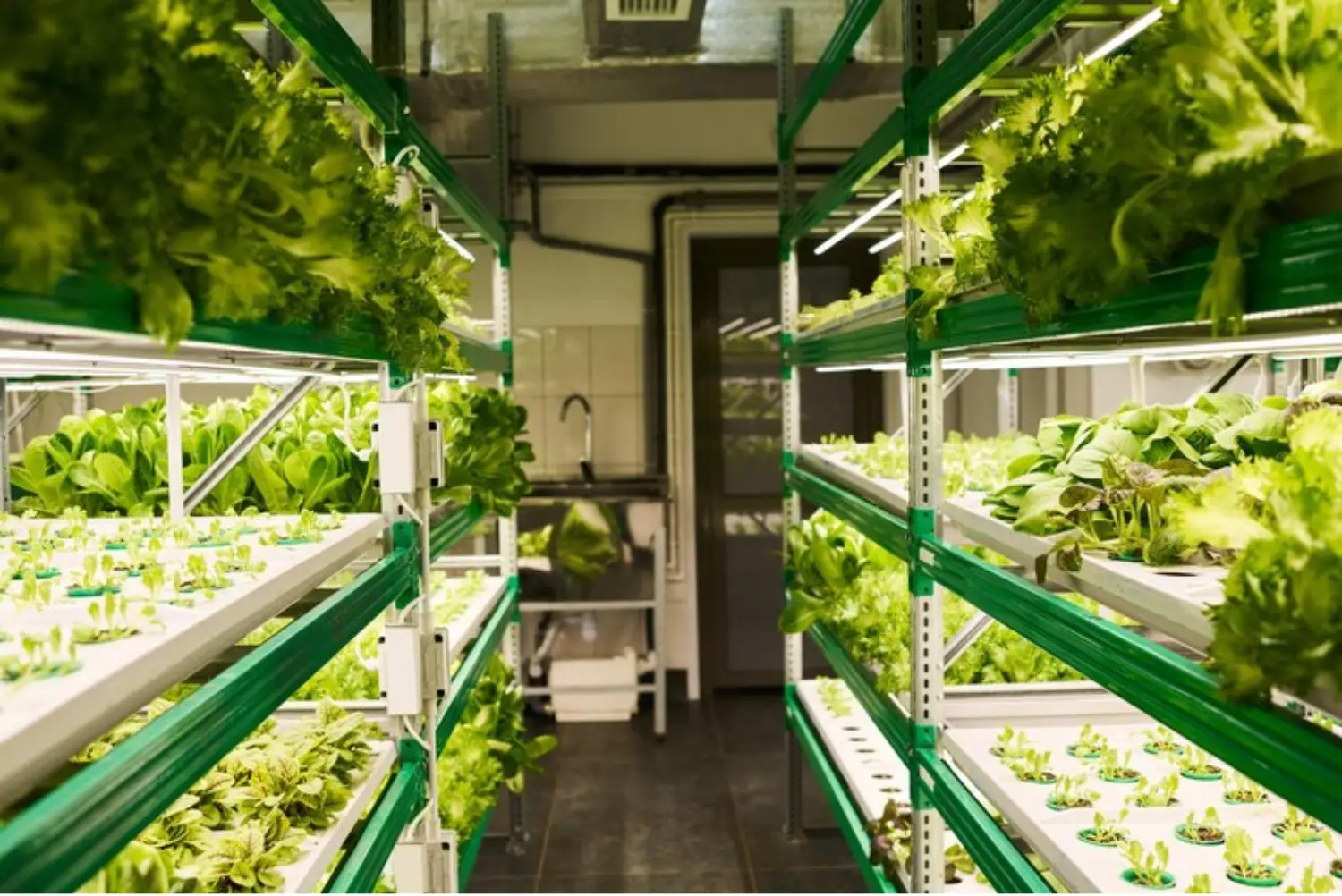
The LED lighting system plays a critical role in optimising plant growth. Specially engineered grow lights are designed to replicate and enhance the solar spectrum, delivering precise wavelengths that maximise photosynthesis and accelerate crop cycles. By adjusting light intensity, duration, and spectral composition, these systems can be tailored to different plant varieties such as leafy greens, herbs, and strawberries. This level of control ensures consistent crop quality and predictable yields—key requirements for commercial-scale production.

Equally important is the intelligent environmental control system. Leveraging IoT-enabled sensors and AI-driven algorithms, container farms continuously monitor and regulate temperature, humidity, CO₂ concentration, and nutrient delivery. These systems operate in real time, ensuring that crops are maintained within optimal growth conditions at all stages. The result is a highly stable and repeatable production environment, significantly reducing the risks associated with pests, diseases, and external climate variability.
The vertical design of container farms further enhances productivity. Multi-layer rack systems maximise the use of limited internal space, allowing a single 40-foot container to accommodate thousands of plants simultaneously. This compact yet high-output configuration makes container farming particularly suitable for urban environments, remote locations, and regions with limited arable land.
From an application perspective, container farming offers substantial advantages. It enables year-round production regardless of weather conditions, supports localised food supply chains, and reduces transportation costs and carbon footprint. The enclosed growing environment eliminates the need for pesticides, resulting in cleaner and safer produce. Additionally, automation and remote management—often accessible via mobile applications—reduce labour intensity while improving operational efficiency.
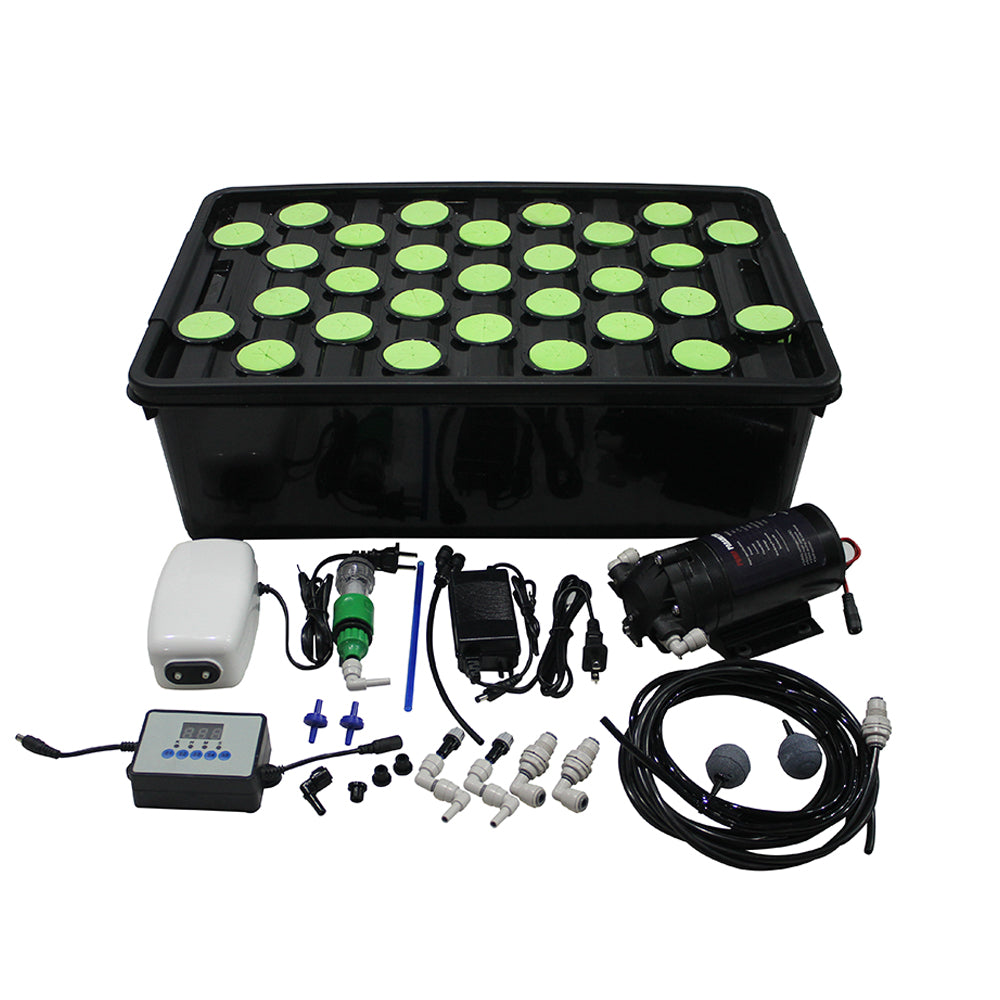
For Taskwell, this application aligns closely with our capabilities in engineered lighting systems, power and control integration, and modular construction technology. By combining high-performance LED systems with intelligent control platforms and prefabricated container solutions, Taskwell is well positioned to support the deployment of scalable, compliant, and energy-efficient container farming systems across Australia.

With growing demand for sustainable and resilient food production, container farming represents a strategic opportunity. Supported by partnerships with agricultural institutions and leading global equipment providers, Taskwell is actively seeking collaboration opportunities to bring this technology into the Australian market—delivering innovation at the intersection of agriculture, engineering, and clean energy.


